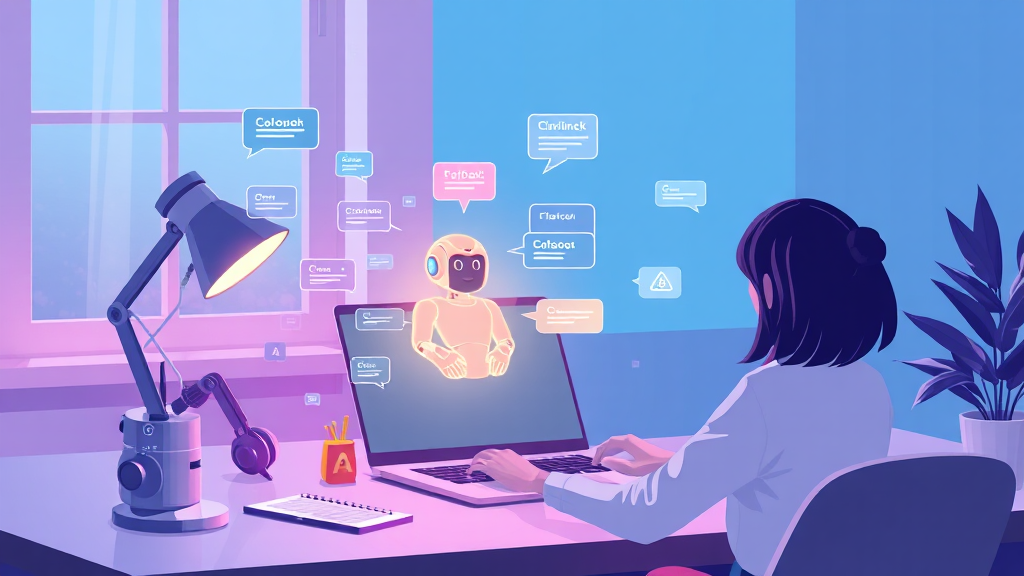
CrushOn.AI: A Practical Guide to Custom AI Companions and Immersive Chat
Conversational AI has moved far beyond simple question-and-answer tools. People now look for digital companions that feel consistent, expressive, and tailored to their own interests. That shift has given rise to platforms focused on personality-driven chat experiences, and CrushOn.AI is one of the names that comes up often in that space. Instead of a single generic assistant, it offers a catalog of AI characters and the ability to shape conversations around specific personas, moods, and storylines.
This guide takes a practical look at what CrushOn.AI is, how its character system works, what kinds of users tend to get the most out of it, and how to approach it responsibly. Whether you are curious about AI roleplay, want a creative writing partner, or simply enjoy chatting with a bot that has a defined personality, understanding the platform’s structure will help you decide if it fits your needs.
What Is CrushOn.AI?
CrushOn.AI is an AI chat platform built around character-driven conversations. Rather than offering one assistant with a fixed tone, it hosts a wide range of AI personalities that users can browse and chat with. Each character has its own background, speaking style, and set of interests, which makes the interaction feel more like talking to a fictional individual than querying a search engine.
The platform sits at the intersection of entertainment, creative writing, and social simulation. Some users treat it as a form of interactive fiction, while others use it to explore dialogue ideas, practice conversation, or unwind with a low-pressure chat. The common thread is personalization: the experience is shaped by the character you choose and the way you steer the conversation.
Because the characters are AI-generated rather than scripted, replies are not fixed. The bot responds to what you write, which means the same character can behave differently from one session to the next. That flexibility is both the appeal and the reason a short learning curve exists for new users.
How the Character System Works
The core of the platform is its character library. When you open CrushOn.AI, you can browse profiles that describe each AI persona. A profile typically includes a name, a short description, a visual avatar, and tags that hint at the character’s vibe. Tags might indicate genre, personality type, or the kind of conversation the character is designed for.
Once you select a character, you enter a chat interface. From there, the conversation unfolds based on your messages and the character’s defined traits. The AI tries to stay in role, which means it will reference its own backstory, preferences, and way of speaking. This continuity is what separates a character-based chat from a standard chatbot that resets its tone every few messages.
Beyond the pre-made library, many platforms in this category allow users to create their own characters. Custom creation usually involves writing a name, a description, a greeting, and sometimes example dialogue. The more detail you provide, the more consistent the AI’s behavior tends to be. A well-written character sheet can make the difference between a generic exchange and a genuinely engaging roleplay.
It is worth noting that character quality varies. Popular characters often have detailed profiles and a lot of user feedback, while newer or niche characters may feel less developed. Browsing a few options before settling on one is a normal part of the experience.
Why People Use AI Companion Platforms
There are several reasons someone might spend time on a platform like CrushOn.AI. The most common motivations tend to fall into a few broad categories.
Entertainment and roleplay. Many users enjoy interactive stories where they can influence the plot. Chatting with a character is a lightweight way to step into a fictional scenario without needing a group of people or a game master.
Creative writing support. Writers sometimes use AI characters to test dialogue, explore a character’s voice, or brainstorm scenes. The bot can act as an improv partner, offering reactions that push a scene forward.
Casual social interaction. For people who want low-stakes conversation, an AI companion can be a relaxed option. There is no scheduling pressure and no risk of awkwardness, which some users find appealing.
Language and communication practice. Although not a formal language-learning tool, chatting with a character can give learners a chance to practice phrasing and vocabulary in a context that feels more natural than a textbook exercise.
Each of these use cases comes with different expectations. Someone looking for a factual research assistant may be disappointed, while someone looking for an engaging fictional conversation is more likely to enjoy the format.
Getting Started: A Simple Workflow
If you are new to the platform, a straightforward approach can help you get oriented quickly.
First, create an account and spend a few minutes browsing the character catalog. Pay attention to descriptions and tags rather than just avatars. A character that looks appealing may not match the conversation style you want.
Second, start with a short chat to test the character’s tone. Send a simple greeting and see how the bot responds. This tells you whether the character’s personality aligns with your expectations before you invest time in a longer story.
Third, guide the conversation with clear messages. AI characters respond well to specific prompts. If you want a particular scenario, describe it. If you want the character to take the lead, say so. Vague messages often produce vague replies.
Fourth, adjust as you go. If a conversation drifts in a direction you do not like, you can steer it back by restating your intent. Most character-based AIs are designed to follow the user’s lead within the bounds of their persona.
Finally, explore custom characters if the built-in library does not have exactly what you want. Creating your own character is one of the most rewarding parts of the platform, because it lets you define the personality from the ground up.
Designing a Character That Feels Real
Custom character creation is where the platform becomes more than a chat app. A good character sheet gives the AI enough information to behave consistently without overloading it with contradictions.
Start with a clear identity. Give the character a name, an age range, and a role. A role can be anything from a detective to a musician to a historical figure. The role shapes how the character talks and what it cares about.
Next, define personality traits. Choose three to five core traits and stick to them. For example, a character might be curious, sarcastic, and loyal. These traits should influence the character’s word choice and reactions.
Then, write a short backstory. You do not need a novel, but a few sentences about where the character comes from and what they want can add depth. Backstory gives the AI material to draw on when the conversation touches on the character’s past.
Finally, add a greeting and a couple of example messages. The greeting sets the tone for the first interaction, and examples show the AI how the character should sound. This is especially useful for distinctive voices, such as a character with a formal or poetic way of speaking.
Consistency is the goal. If a character is described as shy but responds with bold one-liners, the illusion breaks. Reviewing your character sheet for contradictions before publishing can save a lot of frustration later.
Tips for Better Conversations
Even with a well-designed character, the quality of a chat depends heavily on how you participate. A few habits tend to produce better results.
Be specific. Instead of saying “tell me about yourself,” try “what did you do last weekend?” Specific questions give the AI something concrete to work with.
Stay in the scene. If you are roleplaying, keep your messages within the fiction. Mixing real-world meta-commentary with in-character dialogue can confuse the AI about what mode you are in.
Use descriptive language. Adding sensory details or emotional context gives the character more to react to and makes the exchange feel richer.
Give feedback in character. If the character does something you like, respond in a way that encourages more of it. If the conversation stalls, introduce a new element, such as a question or a small event.
Take breaks. Long sessions can drift. Starting a fresh chat with the same character often restores clarity and energy.
These tips apply to almost any AI companion platform, but they are especially relevant on CrushOn.AI because the experience is built around sustained, character-driven interaction.
Responsible Use and Realistic Expectations
AI companions are designed for entertainment and creative exploration, not for replacing real human relationships or professional advice. It is important to keep that distinction in mind.
Characters are generated by AI, which means they can make mistakes, contradict themselves, or produce responses that do not fit the scenario. Treat the experience as a creative tool rather than a source of factual information. If you need accurate information about health, law, finance, or safety, consult a qualified professional.
Privacy is another consideration. As with any online platform, avoid sharing sensitive personal information in chats. Use the privacy settings available and review the platform’s policies to understand how data is handled.
Finally, moderation and balance matter. AI chat can be engaging, and it is easy to lose track of time. Setting limits and maintaining other hobbies and social connections helps keep the experience positive.
The Broader Trend Behind Character AI
CrushOn.AI is part of a larger movement toward personalized AI experiences. Early chatbots were general-purpose, but users increasingly want tools that adapt to their interests and communication style. Character-based platforms answer that demand by turning conversation into a customizable, story-driven activity.
This trend has implications beyond entertainment. Writers, game designers, and educators are exploring how character AI can support creativity and learning. At the same time, questions about content moderation, data privacy, and emotional reliance are part of an ongoing public conversation. Platforms that handle these issues thoughtfully are likely to earn more trust over time.
For users, the practical takeaway is simple: character AI is a flexible medium. It can be a fun pastime, a brainstorming partner, or a way to explore dialogue. The value depends on how you use it and what you expect from it.
Frequently Asked Questions
Is CrushOn.AI free to use?
The platform offers access to its character chat features, with some options potentially tied to account tiers or usage limits. Checking the current pricing and feature list on the official site is the best way to confirm what is available at any given time.
Can I create my own AI character?
Yes. Character creation is a core part of the experience. You can define a name, personality, backstory, and greeting, then chat with your creation. The more detail you provide, the more consistent the character tends to be.
Are the conversations private?
Privacy practices vary by platform and can change. Review the official privacy policy and adjust your settings accordingly. As a general rule, avoid sharing sensitive personal information in any AI chat.
What should I do if a character behaves inconsistently?
Inconsistency can happen with AI-generated characters. You can try restating the character’s traits, starting a new chat, or refining the character sheet if you created it. Clear, specific messages usually help the AI stay in role.
Can I use CrushOn.AI for writing projects?
Many users do. The platform can serve as an improv partner for dialogue and scene ideas. Just remember that AI output is a starting point, not a finished draft, and it should be reviewed and edited like any other creative tool.
Final Thoughts
CrushOn.AI offers a structured, character-focused approach to AI chat. Its library of personalities and custom creation tools make it a flexible option for roleplay, creative writing, and casual conversation. The experience is at its best when users engage actively, set clear expectations, and treat the platform as a creative space rather than a source of factual answers.
If you enjoy interactive storytelling or want to experiment with AI personalities, exploring the platform is a reasonable next step. Start with a character that matches your interests, keep your messages specific, and adjust as you learn what works. With a thoughtful approach, character AI can be an engaging and surprisingly creative hobby.